For rose water importers, evaluating product quality before purchasing is essential for success in a competitive market. Fortunately, there are several simple methods for assessing the authenticity and quality of rose water, which we review below.
The first and most important indicators are aroma and taste. Pure, high-quality rose water has a refreshing, strong, and natural aroma that does not quickly disappear. If the scent smells artificial or resembles chemical perfumes, it may indicate the addition of artificial essence. In terms of taste, high-quality rose water has a slight sharpness and mild astringency, without a stale or watery taste.
Chemical Test with Oil: Pour a few drops of rose water onto a clean spoon, then add a few drops of edible oil. If the oil remains as separate droplets on the surface of the rose water and does not spread easily, this indicates good degreasing and high rose water quality. Adulterated rose water causes the oil to spread more quickly.
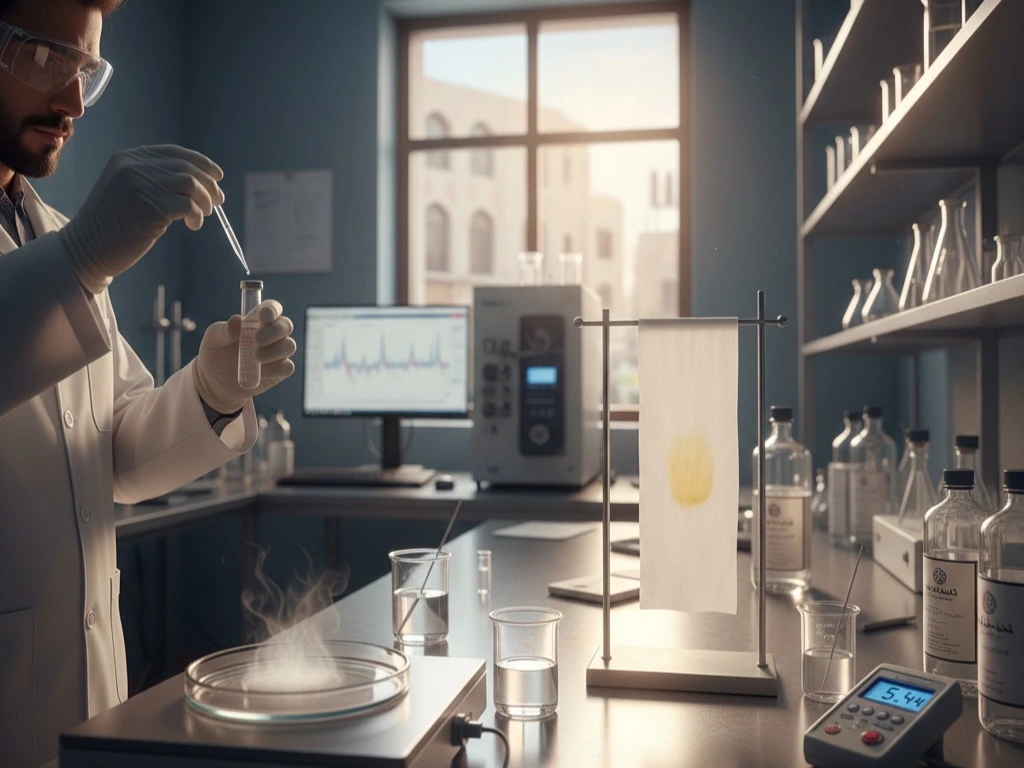
Coloration Test: Soak a piece of white cotton fabric with rose water and expose it to sunlight. After drying, natural rose water leaves a mild yellow stain on the fabric. If no stain remains or an artificial-looking stain appears, there may be chemical substances present.
pH Measurement: Natural rose water is mildly acidic, and its pH is usually between 5 and 6. You can check this using pH paper or a pH meter. If the pH is close to 7 (neutral), adulteration may be suspected.
Shelf-Life Test: Store natural rose water in a sealed glass container at room temperature. High-quality rose water should not show any noticeable change in color, aroma, or taste even after one year. A rapid change in aroma or the development of a sour smell or taste can indicate poor quality or improper storage.
A freezing test is another, more precise method. Because pure rose water contains organic compounds, it has a lower freezing point and does not freeze easily at zero degrees Celsius, whereas distilled water or diluted rose water freezes sooner.
Finally, essential oil content can be measured in a laboratory. High-quality rose water, particularly double- and triple-distilled varieties, contains a higher percentage of dissolved essential oil, and this measurement is considered the most standardized criterion for evaluating quality.